Classroom Lesson Plans & Activities
From activity sheets and lesson plans to conversation starters and art vocabulary worksheets, explore the resources below to further your students’ connection with our collection and get creative at the Museum and in the classroom.
Lesson Plans By Grade Level
This social studies lesson can be done in two 30-minute sessions or a 60-minute block, combined with ELA. It considers the life experiences of African Americans who lived at Reynolda in the early 20th century through primary sources while students practice observation and analytical skills. Performance tasks include completing a graphic organizer and making conclusions based on observations.
This 30-minute social studies block lesson asks the question, “How can art tell a story?” and includes primary sources from Reynolda’s art collection and the history of African Americans who lived at Reynolda in the village of Five Row. Performance tasks include completing a graphic organizer, creating a drawing that tells a story, and writing about their creation.
This lesson for the visual arts classroom takes inspiration from artists such as Christo and Jeanne-Claude who create(d) interventions in the landscape. The lesson invites students to imagine their own intervention in their school’s landscape, potentially bringing awareness to environmental issues. Depending on lesson adaptations and chosen approaches, the lesson can connect with Science, ELA, and Social Studies standards.
In this activity, use cardboard to create a relief sculpture similar to the assemblage work of Louise Nevelson. Consider line, shape and texture as well as variety and repetition. Nevelson’s sculpture Full Moon is part of Reynolda House’s collection.
Students will collaboratively observe, analyze, and interpret the art of American artist Georgia O’Keeffe (1887-1986), focusing on content, style, technique, and formal composition.
Students will explore the idea of portraiture and create a mixed-media self-portrait collage, paying particular attention to formal aspects. This lesson begins by discussing photographs by twentieth-century documentary photographer Dorothea Lange and continues to the creation of a work of art. Suggestions for alternative, social-studies-connected assignment and pre-lesson activity included.
Students will be introduced to nineteenth-century American landscape artist Frederic Church and learn about his process of making his dramatic panoramic paintings. Like Church and other Hudson River School painters, students will practice careful observation of natural surroundings, produce annotated sketches, create at least one color study, and make a final drawing or painting.
Students will encounter three different landscape paintings by American artists and compare and contrast these works in the same painting genre. Students will learn more about artist Grant Wood and explore a landscape that was personally significant to him, which he painted from memory. Students will think about spaces in the natural world personally significant to them and explore one memory through writing and visual arts. In the visual art exercise, they will practice collage techniques and visual texture.
In the first portion of this lesson, students will practice close observation of nature. Then, they will move from their observation to create a design inspired by it.
This social studies lesson investigates how photography and other primary sources can help students evaluate the effectiveness of nonviolent resistance and protest during the American civil rights movement. Grounded in photographs by SNCC photographer Danny Lyon, students practice analyzing primary sources in the context of historical events. Aligns to multiple NC Social Studies Standards for 8th grade.
This lesson for the visual arts classroom takes inspiration from artists such as Christo and Jeanne-Claude who create(d) interventions in the landscape. The lesson invites students to imagine their own intervention in their school’s landscape, potentially bringing awareness to environmental issues. Depending on lesson adaptations and chosen approaches, the lesson can connect with Science, ELA, and Social Studies standards.
In this activity, use cardboard to create a relief sculpture similar to the assemblage work of Louise Nevelson. Consider line, shape and texture as well as variety and repetition. Nevelson’s sculpture Full Moon is part of Reynolda House’s collection.
Students will collaboratively observe, analyze, and interpret the art of American artist Georgia O’Keeffe (1887-1986), focusing on content, style, technique, and formal composition.
Students will explore the idea of portraiture and create a mixed-media self-portrait collage, paying particular attention to formal aspects. This lesson begins by discussing photographs by twentieth-century documentary photographer Dorothea Lange and continues to the creation of a work of art. Suggestions for alternative, social-studies-connected assignment and pre-lesson activity included.
Students will be introduced to nineteenth-century American landscape artist Frederic Church and learn about his process of making his dramatic panoramic paintings. Like Church and other Hudson River School painters, students will practice careful observation of natural surroundings, produce annotated sketches, create at least one color study, and make a final drawing or painting.
Students will encounter three different landscape paintings by American artists and compare and contrast these works in the same painting genre. Students will learn more about artist Grant Wood and explore a landscape that was personally significant to him, which he painted from memory. Students will think about spaces in the natural world personally significant to them and explore one memory through writing and visual arts. In the visual art exercise, they will practice collage techniques and visual texture.
In the first portion of this lesson, students will practice close observation of nature. Then, they will move from their observation to create a design inspired by it.
This lesson begins with careful looking at Audrey Flack’s 1978 painting Bounty in Reynolda’s collection. Drawing connections to Dutch vanitas paintings, as Flack did, students can explore ways Flack continues and diverges from this tradition. See related Pop-Up Studio video for visual instructions.
Students will learn about the life of Iowa painter, craftsman, and teacher Grant DeVolson Wood (1891-1952), who drew upon his childhood memories of farm life to create Spring Turning (1936). Students will understand how Grant Wood is both a Regionalist and a Modern artist by comparing his landscape painting Spring Turning (1936) with works by his contemporaries. They will learn to look closely at the artworks; to use observational skills to analyze both content and styles conduct research using the museum’s digital collections database through the website; compare and contrast artwork, considering different cultural attitudes prevalent during the 1920s and 1930s.
This 90-minute high school history lesson explores how individuals may choose to improve their lives despite restrictions or limitations of the time period in which they live. The multi-faceted lesson includes opportunity to work with primary source documents from African Americans who lived at Reynolda during two different time periods and individuals who worked for and were enslaved by RJ Reynolds’s father in Virginia.
This lesson offers an introduction to ways individuals advocated for freedom during the civil rights movement. It highlights individuals beyond the familiar names of the movement, using photographs by Student Non-violent Coordinating Committee (SNCC) photographer Danny Lyon as a starting point. Aligns to NC Standard AH.C&G.1.3: Explain how various individuals and groups strategized, organized, advocated, and protested to expand or restrict freedom and equality.
This lesson for the visual arts classroom takes inspiration from artists such as Christo and Jeanne-Claude who create(d) interventions in the landscape. The lesson invites students to imagine their own intervention in their school’s landscape, potentially bringing awareness to environmental issues. Depending on lesson adaptations and chosen approaches, the lesson can connect with Science, ELA, and Social Studies standards.
In this activity, use cardboard to create a relief sculpture similar to the assemblage work of Louise Nevelson. Consider line, shape and texture as well as variety and repetition. Nevelson’s sculpture Full Moon is part of Reynolda House’s collection.
Students will collaboratively observe, analyze, and interpret the art of American artist Georgia O’Keeffe (1887-1986), focusing on content, style, technique, and formal composition.
Students will explore the idea of portraiture and create a mixed-media self-portrait collage, paying particular attention to formal aspects. This lesson begins by discussing photographs by twentieth-century documentary photographer Dorothea Lange and continues to the creation of a work of art. Suggestions for alternative, social-studies-connected assignment and pre-lesson activity included.
Students will be introduced to nineteenth-century American landscape artist Frederic Church and learn about his process of making his dramatic panoramic paintings. Like Church and other Hudson River School painters, students will practice careful observation of natural surroundings, produce annotated sketches, create at least one color study, and make a final drawing or painting.
In the first portion of this lesson, students will practice close observation of nature. Then, they will move from their observation to create a design inspired by it.
This lesson begins with careful looking at Audrey Flack’s 1978 painting Bounty in Reynolda’s collection. Drawing connections to Dutch vanitas paintings, as Flack did, students can explore ways Flack continues and diverges from this tradition. See related Pop-Up Studio video for visual instructions.
Students will learn about the life of Iowa painter, craftsman, and teacher Grant DeVolson Wood (1891-1952), who drew upon his childhood memories of farm life to create Spring Turning (1936). Students will understand how Grant Wood is both a Regionalist and a Modern artist by comparing his landscape painting Spring Turning (1936) with works by his contemporaries. They will learn to look closely at the artworks; to use observational skills to analyze both content and styles conduct research using the museum’s digital collections database through the website; compare and contrast artwork, considering different cultural attitudes prevalent during the 1920s and 1930s.
Students will learn about twentieth-century American documentary photographer Dorothea Lange and her work with the Farm Security Administration. By exploring a series of her photographs and the writing she paired with it, they will prepare to then conduct a photographic investigation of their own or a neighboring community. Students will create a series of documentary photographs and research and write a general caption for the group.
This lesson for the visual arts classroom takes inspiration from artists such as Christo and Jeanne-Claude who create(d) interventions in the landscape. The lesson invites students to imagine their own intervention in their school’s landscape, potentially bringing awareness to environmental issues. Depending on lesson adaptations and chosen approaches, the lesson can connect with Science, ELA, and Social Studies standards.
In this activity, use cardboard to create a relief sculpture similar to the assemblage work of Louise Nevelson. Consider line, shape and texture as well as variety and repetition. Nevelson’s sculpture Full Moon is part of Reynolda House’s collection.
Students will collaboratively observe, analyze, and interpret the art of American artist Georgia O’Keeffe (1887-1986), focusing on content, style, technique, and formal composition.
Students will explore the idea of portraiture and create a mixed-media self-portrait collage, paying particular attention to formal aspects. This lesson begins by discussing photographs by twentieth-century documentary photographer Dorothea Lange and continues to the creation of a work of art. Suggestions for alternative, social-studies-connected assignment and pre-lesson activity included.
Students will be introduced to nineteenth-century American landscape artist Frederic Church and learn about his process of making his dramatic panoramic paintings. Like Church and other Hudson River School painters, students will practice careful observation of natural surroundings, produce annotated sketches, create at least one color study, and make a final drawing or painting.
Students will encounter three different landscape paintings by American artists and compare and contrast these works in the same painting genre. Students will learn more about artist Grant Wood and explore a landscape that was personally significant to him, which he painted from memory. Students will think about spaces in the natural world personally significant to them and explore one memory through writing and visual arts. In the visual art exercise, they will practice collage techniques and visual texture.
In the first portion of this lesson, students will practice close observation of nature. Then, they will move from their observation to create a design inspired by it.
This lesson begins with careful looking at Audrey Flack’s 1978 painting Bounty in Reynolda’s collection. Drawing connections to Dutch vanitas paintings, as Flack did, students can explore ways Flack continues and diverges from this tradition. See related Pop-Up Studio video for visual instructions.
Students will learn about the life of Iowa painter, craftsman, and teacher Grant DeVolson Wood (1891-1952), who drew upon his childhood memories of farm life to create Spring Turning (1936). Students will understand how Grant Wood is both a Regionalist and a Modern artist by comparing his landscape painting Spring Turning (1936) with works by his contemporaries. They will learn to look closely at the artworks; to use observational skills to analyze both content and styles conduct research using the museum’s digital collections database through the website; compare and contrast artwork, considering different cultural attitudes prevalent during the 1920s and 1930s.
Upcoming Events
See full calendar
Ongoing
This exhibition presents archival objects, news articles, and other primary sources to lay bare the mystery in all its fascinating complexity.
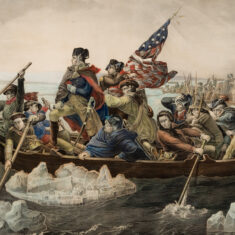
Aug 11, 2026 — Jun 30, 2027
In the fall of 2026, Reynolda House will mark the occasion of the nation’s semiquincentennial (America250) with two exhibitions exploring pivotal movements in American art and history. Opening Augus…
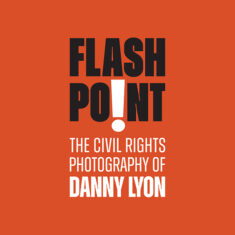
Sep 17, 2026 — Jan 3, 2027
In the fall of 2026, Reynolda House will mark the occasion of the nation’s semiquincentennial (America250) with two exhibitions exploring pivotal movements in American art and history. In the Babcoc…